
Examples of certified notarial translation
What does a certified notarial translation actually look like? Here are examples of translations into English completed at this office, arranged by type of document. The office translates between Hebrew and English.
A certified notarial translation is a translation whose accuracy a notary certifies under section 7(4) of the Notaries Law, 5736-1976, and the certificate is bound together with the document and the translation.
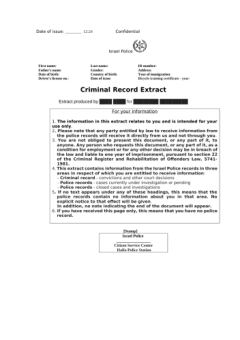
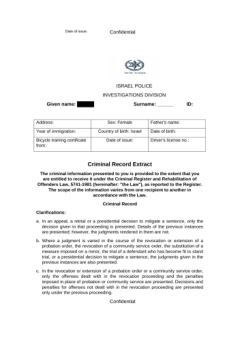
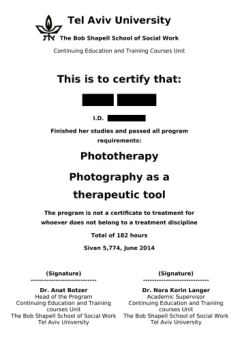
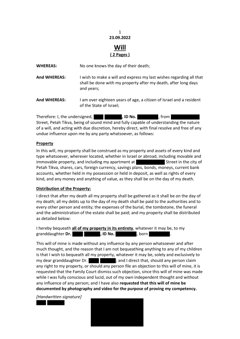
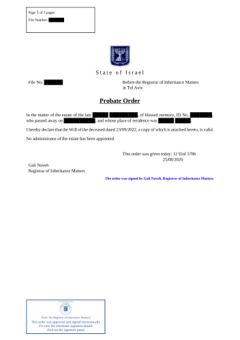
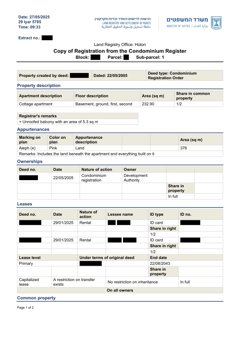
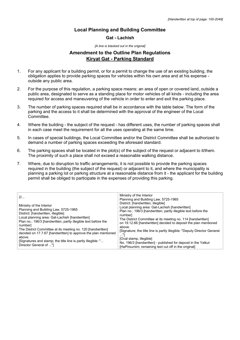
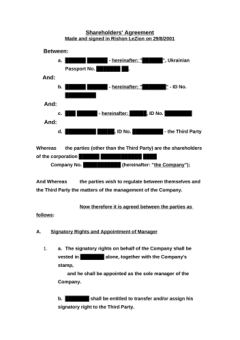
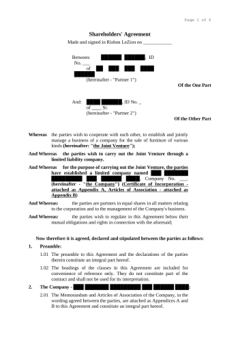
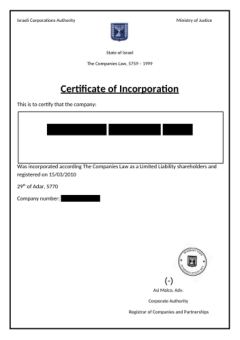
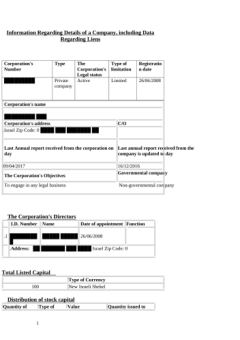
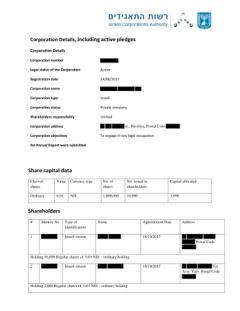
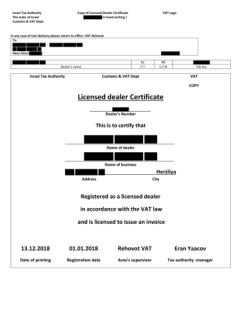
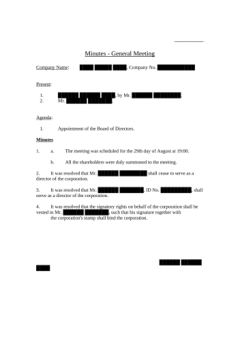
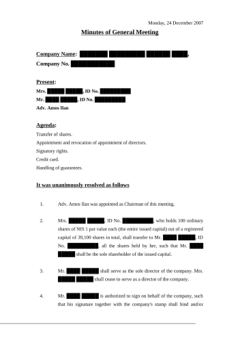
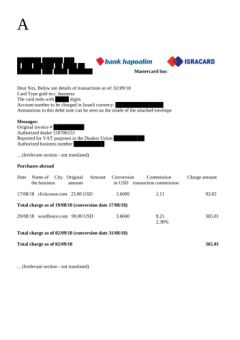
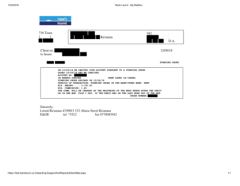
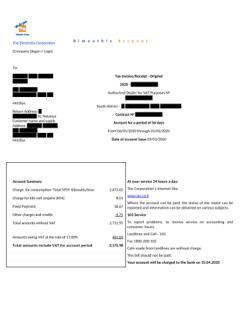
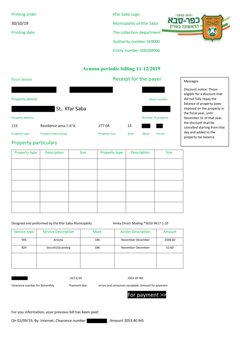
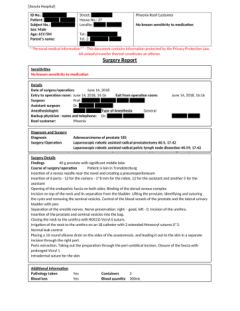
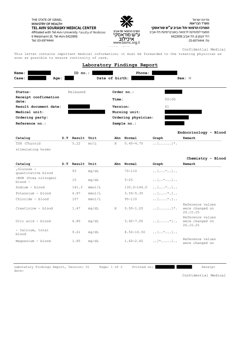
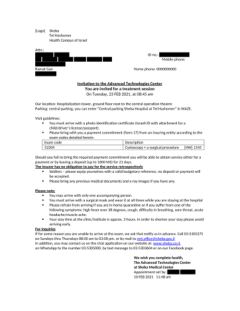
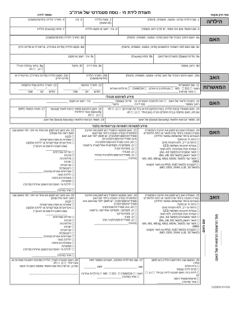
Below are examples of certified notarial translations into English completed at this office. All identifying details, such as names, ID numbers, addresses and account numbers, have been redacted. The examples are intended to show what a certified notarial translation looks like: the translation preserves the layout of the original document, translates stamps and captions as well, and expressly marks signatures and graphic elements.
The files are protected and are for viewing only.
Population Registry and personal certificates
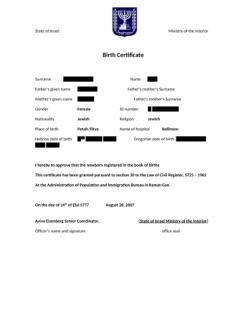
Birth certificate
View sample (PDF)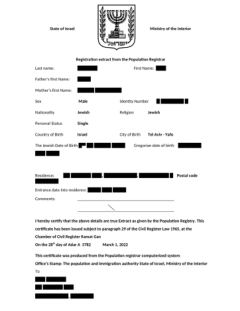
Population Registry extract
View sample (PDF)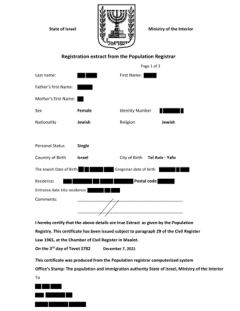
Full Population Registry extract
View sample (PDF)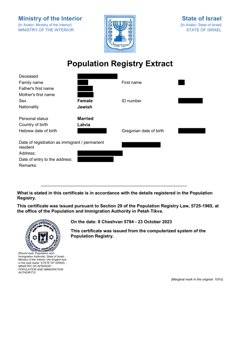
Population Registry extract, deceased person
View sample (PDF)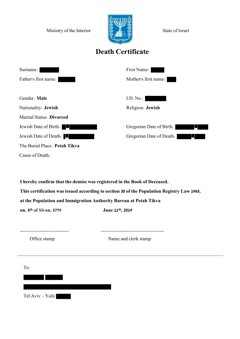
Death certificate
View sample (PDF)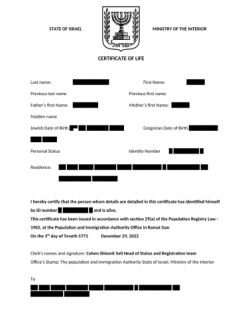
Life certificate
View sample (PDF)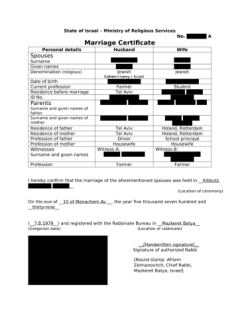
Marriage certificate
View sample (PDF)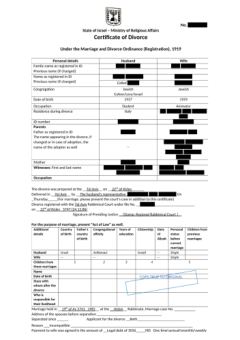
Divorce certificate
View sample (PDF)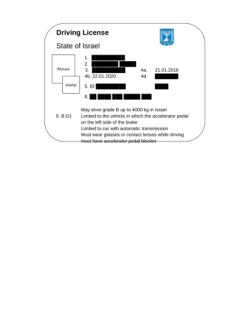
Driving licence
View sample (PDF)Police clearance certificates and criminal record information
Orders, agreements and legal documents
Company documents and minutes
Financial documents and proof of address
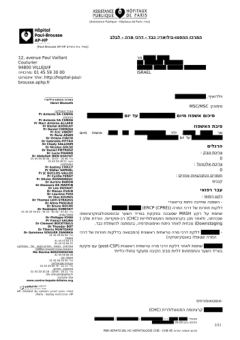
What do the samples show, and what does the law require?
Every sample on this page has the same three parts: the notary's certificate, the translation itself, and a copy of the original document. This is not a matter of style. It follows from the Notaries Law and the regulations:
- Who translates: a notary may certify the correctness of a translation only if he has command of both the source language and the target language, and he translated the document himself or checked its correctness (section 15 of the Notaries Law, Hebrew). This is why the office translates between Hebrew and English only.
- The original is attached: the translated document, or a photocopy of it, is attached to the certificate (regulation 15(c) of the Notaries Regulations, Hebrew). The recipient abroad can compare the translation with the original.
- Every page is marked: the notary marks each annex with a letter or number, initials every page and affixes his seal (regulation 11, Hebrew). This prevents a page from being added or replaced.
- Language of the certificate: the certificate is drawn up in Hebrew, and for a document intended for use abroad it may also be drawn up in English, in addition to Hebrew (regulation 9(a), Hebrew).
- Hebrew dates: where the document bears a Hebrew-calendar date, the notary may note the corresponding Gregorian date in the translation (regulation 15(b), Hebrew). This is particularly useful for marriage contracts and rabbinical court documents.
Which two mistakes are worth avoiding?
A translator's affidavit is not a certification of translation. There is a route in which a translator signs an affidavit that the translation is faithful, and the notary only confirms receipt of the affidavit. In that case the notary must state on the certificate that it does not certify the correctness of the translation, and explain this to the applicant in advance (regulation 14A, Hebrew). A body abroad that asks for a "notarised translation" usually means the notary's own certification of the translation, so check what it requires.
Check the spelling before signing. Once the certificate has been issued, the notary may not change it or the document to which it relates (regulation 12(d), Hebrew). A misspelt name requires a new certificate. So send us the spelling in your passport in advance, and review the draft before it is signed.
How do you order a certified translation?
- Send a scan or a clear photograph of the document by WhatsApp or email, and receive a quote based on the word count.
- The document is translated, and the names are checked against the passports.
- The notary certifies and signs, and the certificate is bound together with the copy of the document and the translation.
- If the destination country is party to the Hague Convention, an apostille is added where required.
Under the 2026 tariff in the Notaries (Fees for Services) Regulations, 5739-1978, certifying a translation costs 251 ₪ before VAT for the first 100 words of the translation, 197 ₪ for each additional 100 words or part thereof up to 1,000 words, and 99 ₪ for each additional 100 words above 1,000 words. The current tariff is published by the Ministry of Justice.
Sources
- Notaries Law, 5736-1976 (Hebrew): sections 7(4), 15.
- Notaries Regulations, 5737-1977 (Hebrew): regulations 9, 11, 12, 14A, 15, and Form 7 in the Second Schedule.
The texts were checked against the sources on 23 October 2026.
How do you contact us?
The office is at 17 Tzahal Street, Ness Ziona, in an area with easy access and parking on site. Notarial services are provided at the office, outside the office, or remotely where the law allows.
- Phone and WhatsApp052-5927592
- Emailamos@il-law.co.il
- Address17 Tzahal Street, Ness Ziona, parking nearby
- Opening hoursSun-Thu 09:00-19:00, Fri 09:00-12:30
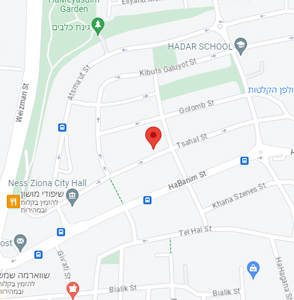
How do you get here?
17 Tzahal Street, Ness Ziona. Parking near the office, with service on the ground floor. The office is a short drive from Rehovot, Rishon LeZion and Yavne.
Get directions in Google MapsNot sure which certificate you need? Let's start with a conversation
Tell us which authority the document is intended for and for what purpose, and we will tell you exactly which notarial certificate you need, whether an apostille is required and in what order, and how much it will cost under the regulations.